
What Sustainable Living Means for Modern Homes

Editorial Team · on 17 June 2026 · 6 min read · Last reviewed 17 June 2026
Sustainable living means consciously reducing one’s environmental impact while maintaining a high quality of life.
Think of sustainable living as giving back to the Earth what you take from it – like a gardener who composts scraps to feed the soil, ensuring next year’s harvest, instead of throwing them away.
Key facts
- In 2020, the average American produced 4.9 pounds of waste per day, according to the U.S. Environmental Protection Agency.
- Homes account for 20% of U.S. greenhouse gas emissions, including 11% from electricity and 9% from natural gas and other fuels.
- Adopting sustainable practices can reduce a household’s carbon footprint by up to 25%, according to the Global Ecolabelling Network.
- Sustainable homes use 30% less water on average than conventional homes.
What sustainable living means for modern homes
Sustainable living means rethinking how you power, heat, and use your home. This starts with energy efficiency – replacing incandescent bulbs with LEDs cuts energy use by 75%, and sealing air leaks can reduce heating and cooling costs by 20%. Smart thermostats like Nest adjust temperatures automatically, saving 10-12% on heating bills. The U.S. Department of Energy’s ENERGY STAR program certifies homes that meet strict energy efficiency guidelines.
Water conservation is equally important. Installing low-flow faucets and showerheads reduces water use by 25-60%. Rainwater harvesting systems, like those used at the Bullitt Center in Seattle, capture and reuse rainwater for non-potable needs. Native plants, which require less water, form the basis of sustainable landscaping. The Audubon Native Plants Database helps homeowners choose the right species for their region.
Sustainable materials and construction
The first time I really looked at sustainable construction, I noticed how materials like reclaimed wood carry history in their grain. This isn’t just aesthetics – using reclaimed materials reduces deforestation and saves 80-90% of the energy used in producing new materials. Bamboo, which grows up to 3 feet per day, is a rapidly renewable resource used for flooring and cabinetry. The Forest Stewardship Council (FSC) certifies responsibly sourced wood. For insulation, materials like recycled denim or sheep’s wool offer eco-friendly alternatives to fiberglass.
Modern homes increasingly use recycled steel, which saves 60% of the energy needed to produce new steel. Concrete alternatives like hempcrete, made from hemp and lime, are gaining popularity for their lower carbon footprint. The Living Building Challenge, a green building certification program, requires projects to use materials that are non-toxic and sourced sustainably.
Waste reduction and management
Sustainable living means rethinking waste at every level. Composting organic waste reduces landfill contributions and creates nutrient-rich soil amendments. The EPA estimates that composting can divert up to 30% of household waste from landfills. For non-compostable waste, recycling is key – proper sorting ensures materials are recycled efficiently. The How2Recycle label, developed by the Sustainable Packaging Coalition, provides clear recycling instructions for products.
Upcycling turns would-be trash into treasure. Old pallets become furniture, glass jars become storage containers, and clothing finds new life as quilts or rags. The Zero Waste Home blog, by Bea Johnson, offers practical tips for reducing waste in everyday life. For electronics, programs like Apple’s Trade In or Best Buy’s recycling program ensure responsible disposal and recycling.
Sustainable home design principles
Passive solar design, a cornerstone of sustainable homes, uses strategic window placement and thermal mass to naturally heat and cool a house. The Passive House Institute offers certification for buildings meeting strict energy efficiency standards. Natural ventilation, through operable windows and vents, reduces the need for air conditioning. The Biophilic design integrates nature into architecture, improving well-being and reducing stress.
Roofing plays a crucial role in sustainability. Cool roofs, painted with reflective coatings, can lower roof temperatures by up to 50°F, reducing air conditioning needs. Green roofs, like those on Chicago’s City Hall, provide insulation, absorb rainwater, and create habitats for wildlife. Solar shingles, such as Tesla’s Solar Roof, integrate seamlessly into roof design while generating clean energy.
Energy production and storage
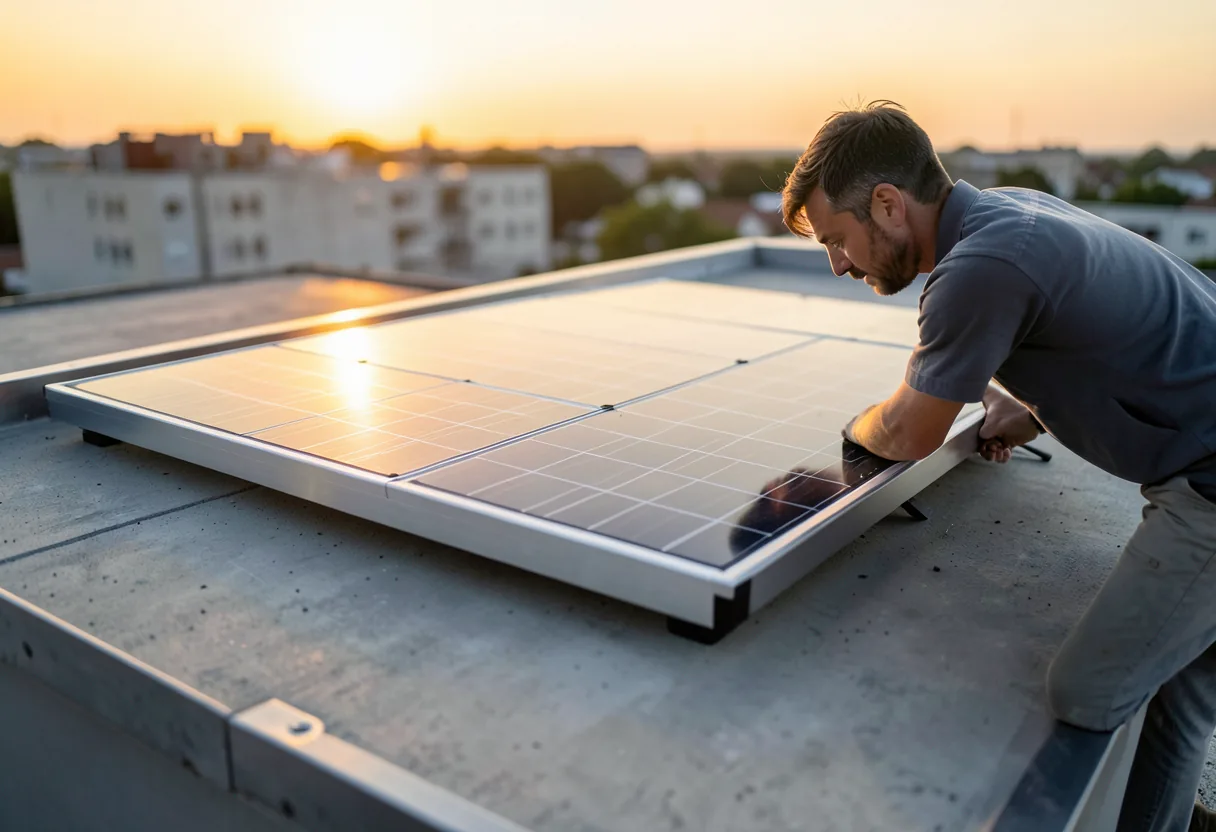
Solar panels, like those used in the Solar Decathlon competition, convert sunlight into electricity with zero emissions. The average U.S. home needs a 6-10 kW solar panel system to cover its electricity needs. Wind turbines, either small-scale for residential use or large-scale for communities, harness wind energy. The U.S. Department of Energy’s Wind Exchange provides resources for exploring wind energy options.
Battery storage systems, such as Tesla Powerwall or LG Chem RESU, store excess energy for use when the sun isn’t shining. Geothermal heat pumps use the Earth’s natural heat to provide efficient heating and cooling. The International Ground Source Heat Pump Association offers resources and certification programs for geothermal systems.
Sustainable living means smart technology
Smart home systems integrate sustainability with convenience. Smart plugs, like those from TP-Link Kasa, allow remote control of appliances to avoid phantom energy use. Smart irrigation systems, such as Rachio, use weather data to optimize watering schedules. The EPA’s WaterSense program certifies smart water-saving devices.
Energy monitoring systems, like Sense or Ember, track electricity usage in real-time, helping homeowners identify inefficiencies. Smart thermostats, such as Ecobee or Honeywell Lyric, learn preferences and adjust temperatures automatically. The Connectivity Standards Alliance promotes interoperability among smart home devices.
Sustainable living means community engagement
Community gardens, like those supported by the American Community Gardening Association, promote local food production and social connections. Tool libraries, such as the Philadelphia Tool Library, allow neighbors to share tools and reduce consumption. The Sharing Economy, including platforms like Nextdoor or Buy Nothing groups, facilitates the exchange of goods and services within communities.
Local farmers markets support sustainable agriculture and reduce food miles. The USDA’s Farmers Market Directory helps consumers find markets in their area. Community-supported agriculture (CSA) programs connect consumers directly with local farmers. The National Sustainable Agriculture Coalition advocates for policies supporting sustainable farming practices.
Certifications and standards for sustainable homes
Steps to make your home more sustainable
- Conduct a home energy audit to identify inefficiencies (the U.S. Department of Energy offers a DIY energy assessor tool).
- Upgrade insulation, seal air leaks, and install energy-efficient windows.
- Switch to energy-efficient appliances and lighting (look for the ENERGY STAR label).
- Install a programmable or smart thermostat to optimize heating and cooling.
- Reduce water usage with low-flow fixtures and efficient appliances.
- Compost organic waste and recycle materials properly.
- Explore renewable energy options like solar panels or wind turbines.
- Choose sustainable materials for home improvements and renovations.
- Engage with your community to share resources and support local sustainability initiatives.
- Educate yourself and stay informed about new technologies and practices in sustainable living.
Sustainable living means long-term investment
Sustainable homes often have higher upfront costs, but they save money in the long run through lower utility bills and reduced maintenance. The average payback period for energy-efficient upgrades is 5-10 years. Government incentives, such as tax credits for solar panels or energy-efficient appliances, can offset initial costs. The Database of State Incentives for Renewables & Efficiency (DSIRE) provides information on available incentives.
Sustainable homes also increase in value over time. A study by the University of California, Berkeley found that homes with green certifications sell for 9% more on average. The National Association of Realtors reports that 61% of homebuyers consider sustainability an important factor in their purchase decision. Investing in sustainability is an investment in your home’s future.
Start small, but start now. Every sustainable choice you make for your home contributes to a healthier planet and a more resilient future.
Frequently asked questions
How much energy can solar panels save for a typical household?
A 5kW solar panel system can generate about 6,000 to 7,000 kilowatt-hours of electricity per year. For a typical U.S. home, this covers roughly half of the annual energy consumption, cutting electricity bills significantly. The exact savings depend on location and home size.
What is the most effective way to reduce water usage at home?
Installing low-flow fixtures can reduce water use by 25-60%. For instance, a low-flow showerhead uses about 2.5 gallons per minute compared to standard models at 5.5 gallons per minute. Fixing leaks promptly also prevents wasting thousands of gallons annually.
Are electric vehicles (EVs) a practical choice for sustainable living?
EVs produce zero tailpipe emissions and are more energy-efficient than gas cars. Models like the Tesla Model 3 have a range of over 250 miles per charge. Charging at home with solar panels further reduces environmental impact, making EVs a viable option for many households.
What are the benefits of using smart thermostats in sustainable homes?
Smart thermostats like Nest or Ecobee can save homeowners 10-12% on heating and 15% on cooling bills annually. They learn your schedule and adjust temperatures automatically, reducing energy waste. Some models also provide energy usage reports to help optimize consumption.