
What to Look for in Sustainable Living Builders
Editorial Team · on 17 June 2026 · 6 min read · Last reviewed 17 June 2026
Sustainable living builders specialize in constructing eco-friendly homes that minimize environmental impact while maximizing energy efficiency and comfort.
Think of sustainable living builders as the architects and craftsmen who blend nature’s wisdom with modern technology, like building a house with thick walls filled with recycled denim insulation, solar panels on the roof, and a rainwater harvesting system, making it as self-sufficient as a well-tended garden.
Key facts
- Sustainable living builders use materials like reclaimed wood, bamboo, and recycled steel to reduce waste and lower carbon footprints.
- These builders often adhere to certifications like LEED (Leadership in Energy and Environmental Design) or the Living Building Challenge to ensure high sustainability standards.
- Energy-efficient designs, such as passive solar heating and cooling, can reduce a home’s energy use by up to 30%.
- Water conservation techniques, including low-flow fixtures and greywater systems, are commonly integrated into sustainable builds.
How to Identify Sustainable Living Builders
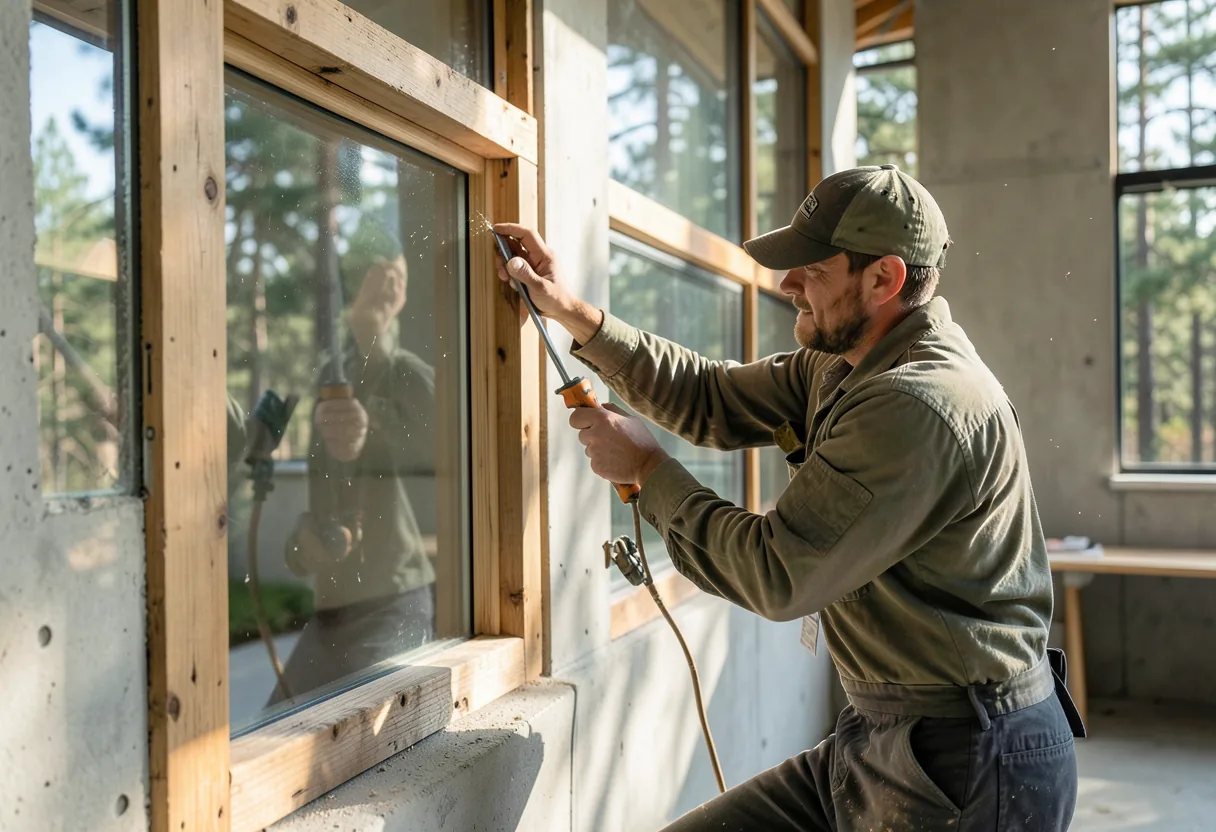
Sustainable living builders stand out by prioritizing eco-friendly materials and energy-efficient designs. Look for professionals who use certified sustainable materials, such as Forest Stewardship Council (FSC) wood or recycled metal. These builders often have portfolios showcasing projects with solar panels, geothermal heating, and rainwater collection systems. For example, the firm Inspiring Sustainable Living Projects Around the World has built homes in Arizona that use passive cooling techniques to thrive in extreme heat without excessive air conditioning.
Check for certifications like LEED or Energy Star ratings, which signal a commitment to sustainability. A builder’s experience with green building standards is crucial, some specialize in net-zero homes, which produce as much energy as they consume. The first time I reviewed a net-zero home, I noticed the intricate balance of solar arrays, high-performance windows, and smart thermostats working together seamlessly. These details matter, as they directly impact long-term energy savings and environmental benefits.
What to Look for in Sustainable Living Builders: Credentials and Experience
When evaluating sustainable living builders, start with their credentials. Look for affiliations with organizations like the U.S. Green Building Council (USGBC) or the International Living Future Institute (ILFI). These affiliations often mean the builder follows rigorous sustainability guidelines. For instance, builders certified under the ILFI’s Living Building Challenge must meet strict criteria for site selection, water use, and energy generation.
Experience is another key factor. A builder who has completed multiple net-zero or LEED-certified projects will have practical insights into challenges like insolation angles for solar panels or the best insulation materials for your climate. For example, a builder in Kentucky might focus on energy-efficient designs to handle cold winters, while one in Arizona would emphasize passive cooling techniques (Arizona Sustainable Living: Climate-Smart Practices).
Key Features of Sustainable Living Builders’ Work
Sustainable living builders focus on several key features to ensure their projects are eco-friendly and efficient. These include energy-efficient HVAC systems, such as geothermal heat pumps, which can reduce energy consumption by up to 50%. They also incorporate renewable energy sources like solar panels or small wind turbines to offset electricity use. Water-saving fixtures, such as low-flow toilets and faucets, are standard, along with greywater recycling systems that reuse water from sinks and showers for irrigation.
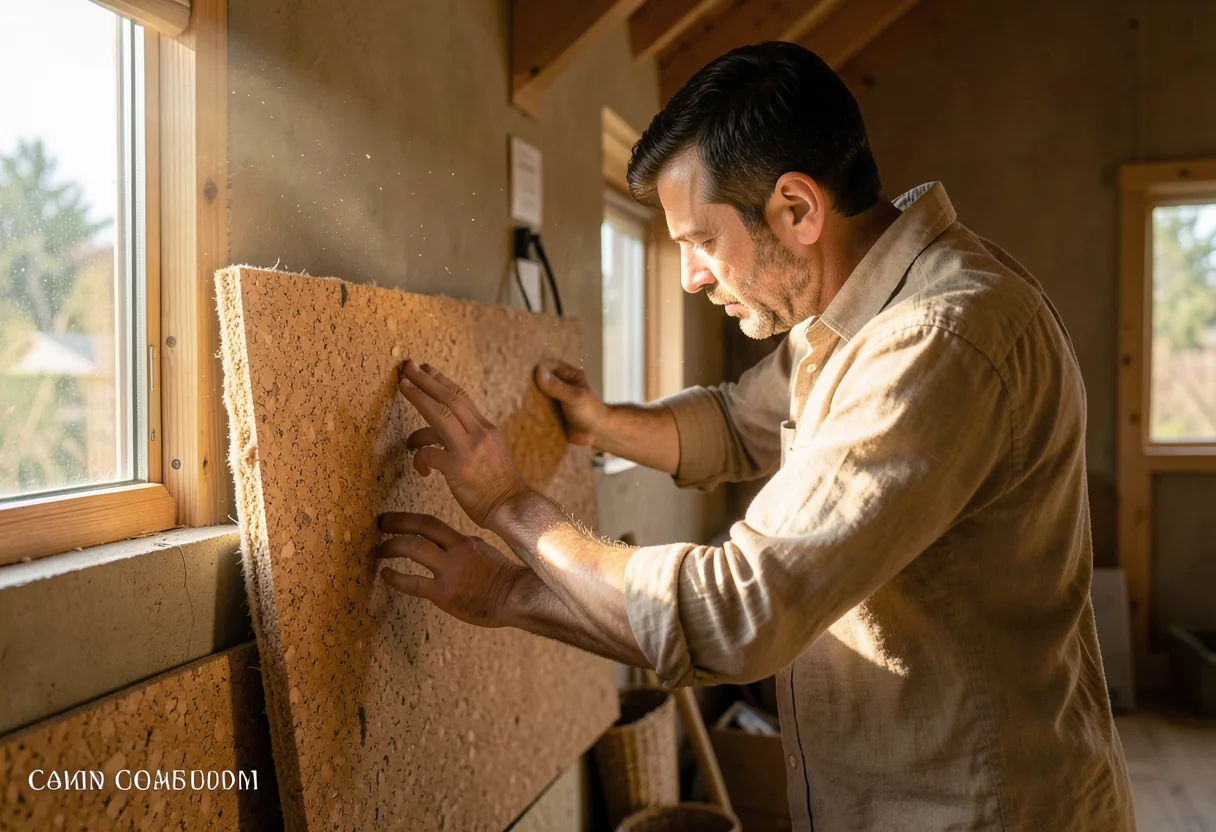
Materials play a critical role in sustainable construction. Builders often use reclaimed wood for flooring or cabinetry, bamboo for structural elements, and recycled steel for framing. These materials not only reduce waste but also add unique character to homes. For instance, a home built by a sustainable living builder in Kentucky might feature reclaimed barn wood, giving it a rustic yet modern feel (Kentucky Sustainable Living: Rural Eco-Initiatives).
Certifications and Standards for Sustainable Living Builders
Certifications are a cornerstone of the sustainable living builder industry. The most recognized certifications include LEED, Energy Star, and the Living Building Challenge. LEED certification, administered by the USGBC, evaluates buildings on criteria like energy efficiency, water usage, and material selection. Energy Star certification focuses on energy performance, ensuring homes meet strict energy efficiency guidelines. The Living Building Challenge, managed by the ILFI, is one of the most rigorous standards, requiring buildings to be self-sufficient in energy, water, and waste management.
Builders who pursue these certifications often undergo extensive training and adhere to strict guidelines. For example, a builder aiming for LEED Platinum certification must demonstrate innovation in design, regional priority credits, and exceptional performance in areas like indoor environmental quality. The certification process involves third-party reviews and site visits to ensure compliance. These standards not only validate a builder’s expertise but also provide homeowners with confidence in the sustainability of their projects.
The Role of Sustainable Living Builders in Community Development
Sustainable living builders often work closely with communities to create eco-friendly neighborhoods. These projects might include shared green spaces, community gardens, and renewable energy systems that serve multiple homes. For example, the How to Find the Right Sustainable Living Communities project in Colorado features homes built with recycled materials and solar panels, along with a shared community garden that reduces the need for individual lawns.
Builders who specialize in sustainable living also contribute to local economies by sourcing materials regionally. This reduces transportation emissions and supports local businesses. For instance, a builder in Arizona might source adobe bricks from nearby suppliers, reducing the carbon footprint of the project. Additionally, these builders often collaborate with Joining the Sustainable Living Association: Benefits & Resourcess to share best practices and promote sustainable living on a larger scale.
Comparing Sustainable Living Builders: What to Consider
Choosing the right sustainable living builder involves comparing their approaches, materials, and certifications. Here’s a quick comparison of some key factors:
Steps to Find and Hire Sustainable Living Builders
Finding the right sustainable living builder requires careful research. Start by identifying builders in your area who specialize in eco-friendly construction. Review their portfolios and check for certifications like LEED or Energy Star. Next, schedule consultations to discuss your project goals and their approach to sustainability. Ask about their experience with similar projects and request references from past clients.
Once you’ve narrowed down your options, compare quotes and timelines. Ensure the builder uses sustainable materials and practices, such as energy-efficient designs and renewable energy sources. Finally, sign a contract that outlines the project scope, timelines, and sustainability commitments. For example, the Visiting a Sustainable Living Center: What to Expect in Oregon offers workshops on sustainable building practices, which can be a great resource for homeowners looking to hire the right builder.
Benefits of Hiring Sustainable Living Builders
Hiring sustainable living builders offers numerous benefits, including lower utility bills due to energy-efficient designs and reduced environmental impact. These homes often have higher resale values, as eco-friendly features are increasingly in demand. Additionally, sustainable living builders prioritize healthy indoor environments by using non-toxic materials and improving air quality. For instance, homes built with low-VOC paints and natural ventilation systems can significantly reduce health risks associated with poor air quality.
To get started, visit the Inspiring Sustainable Living Projects Around the World page for inspiration and connect with builders who align with your sustainability goals. The right sustainable living builder can transform your vision into a reality that benefits both you and the environment.
Frequently asked questions
How can I verify a builder's commitment to sustainability?
Ask for certifications like LEED, BREEAM, or Passive House. For example, a builder with LEED certification must meet strict criteria for energy efficiency and material selection. Also, request case studies or projects completed after 2018, when modern sustainability standards became more stringent.
What materials should sustainable builders prioritize?
Sustainable builders should use recycled or locally sourced materials to reduce carbon footprint. For instance, reclaimed wood from old barns or certified bamboo can be excellent choices. Ensure they avoid materials like vinyl siding, which releases toxins when manufactured.
How do sustainable builders approach energy efficiency?
Look for builders who use high-efficiency HVAC systems, like those rated by ENERGY STAR, and incorporate passive solar design. For example, placing windows strategically to maximize natural light and heat can reduce energy consumption by up to 30%.
What role does water conservation play in sustainable building?
Sustainable builders should install low-flow fixtures and consider rainwater harvesting systems. For instance, dual-flush toilets can save up to 68% more water than traditional models. They should also use drought-resistant landscaping to minimize water usage.