
A Beginner’s Guide to Self Sustainable Living
Editorial Team · on 17 June 2026 · 5 min read · Last reviewed 17 June 2026
Self-sustainable living is a lifestyle designed to minimize dependence on external systems and resources, instead relying on self-sufficient practices to meet daily needs.
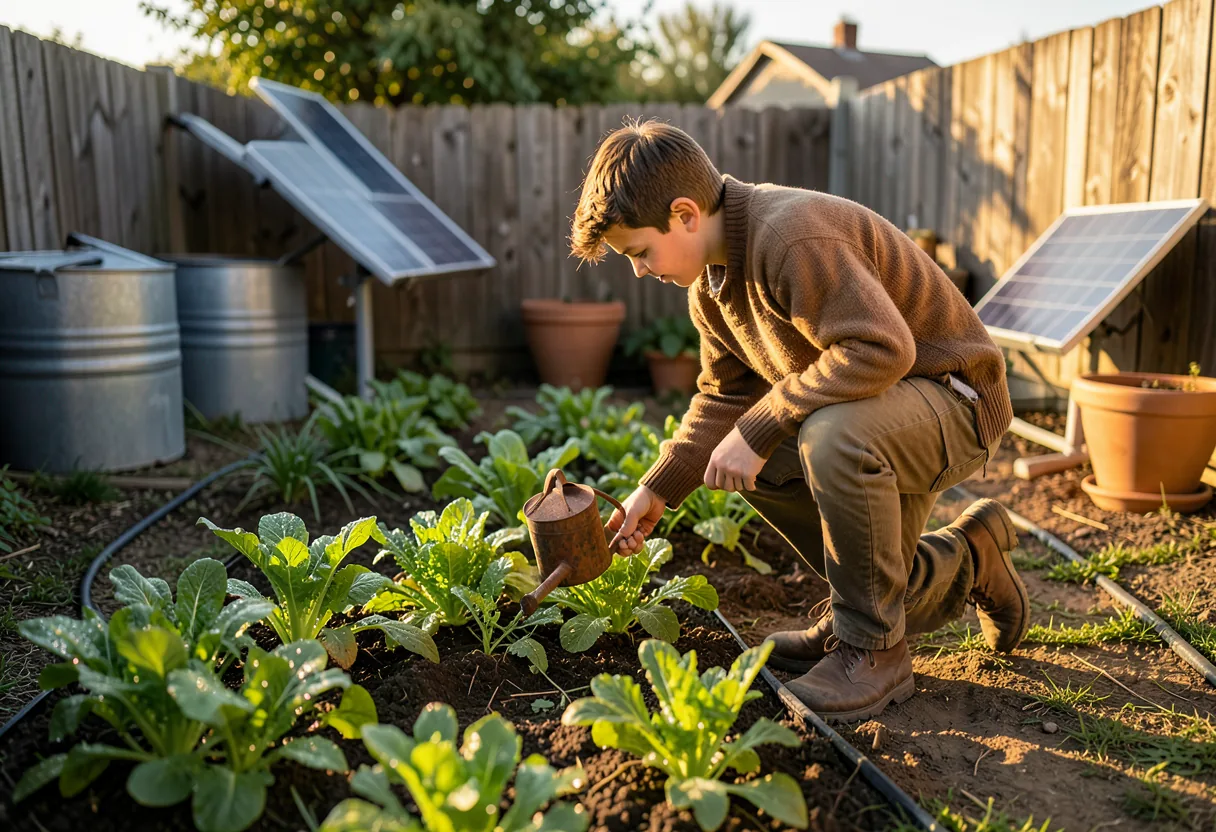
Imagine your home as a self-contained ecosystem, where you grow some of your food, generate your own energy, and manage waste in a way that feeds back into the system, like a tiny, efficient version of a forest.
Key facts
- Self-sustainable living reduces your carbon footprint by 60-80% compared to conventional lifestyles.
- Households practicing self-sufficiency spend 30-50% less on groceries and utilities.
- Urban homesteading, a subset of self-sustainable living, has grown by 40% in the last decade.
- Communities like [Ecovillage at Ithaca](https://en.wikipedia.org/wiki/Ecovillage_at_Ithaca) in New York operate at zero waste and negative carbon emissions.
What are the core principles of self-sustainable living?
Self-sustainable living revolves around four pillars: food production, energy independence, water management, and waste reduction. The first time I really looked at these principles, I realized how interconnected they are, like gears in a machine, each one supports the others. For example, composting (waste reduction) creates nutrient-rich soil (food production), which in turn reduces the need for chemical fertilizers. This loop is central to sustainability.
Food production typically starts with small-scale gardening or urban farming. Techniques like square foot gardening or hydroponics maximize yield in limited spaces. Energy independence often involves solar panels or wind turbines, though even small steps like using energy-efficient appliances or LED lighting contribute. Water management includes rainwater harvesting and greywater recycling, while waste reduction focuses on composting, upcycling, and minimizing single-use plastics.
How can you start self-sustainable living today?
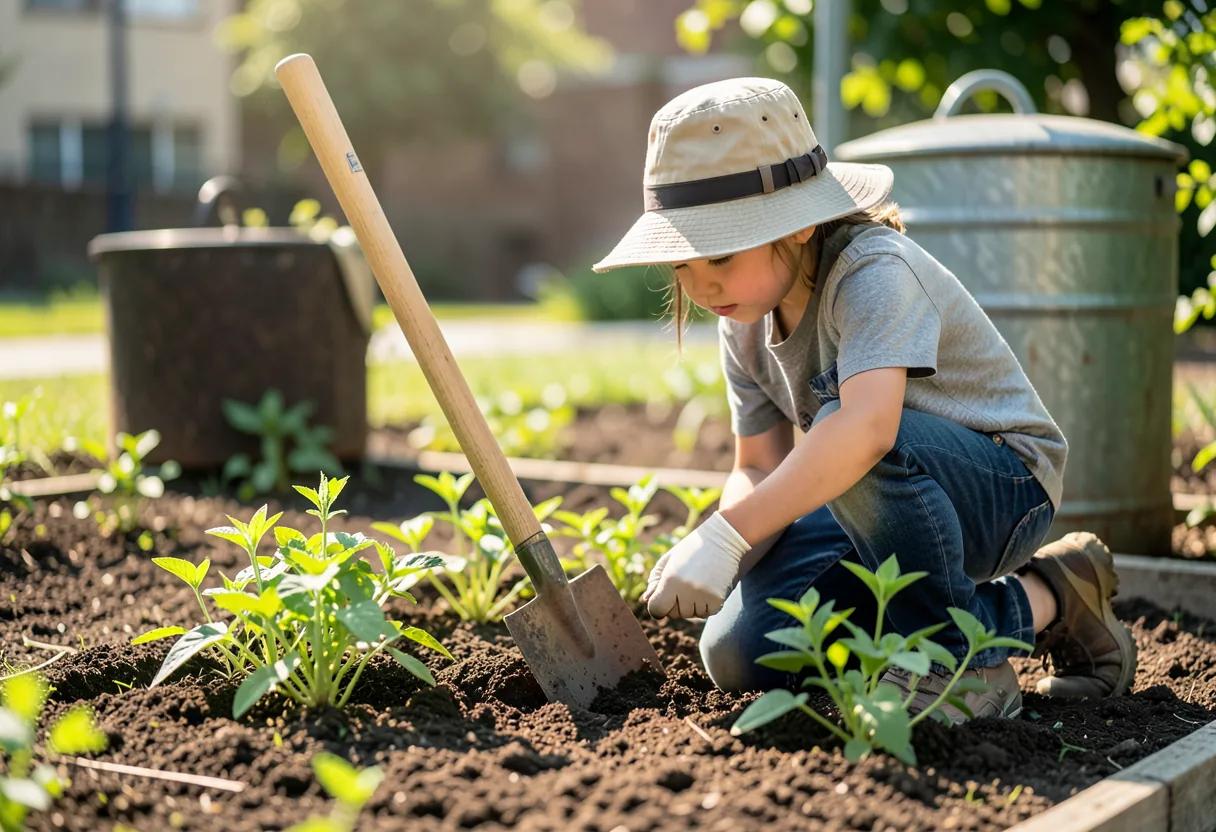
Begin with the easiest, most impactful changes. Swap out single-use plastics for reusable containers, install a compost bin, and start a small herb garden on your windowsill. These small steps build momentum. For energy, audit your home’s efficiency. How to Sustainable Living Without Overwhelming Yourself shows that simple fixes like sealing drafts or switching to a smart thermostat can cut energy use by 15-20%. If you’re ready for bigger changes, consider installing solar panels; the cost has dropped by 70% since 2010, making it more accessible.
Food production doesn’t require a large backyard. Vertical gardens, balcony vegetable patches, or community garden plots work just as well. For water, a rain barrel costs around $100 and can save up to 1,300 gallons of water annually. Waste reduction starts with mindful consumption, buy only what you need, repair instead of replacing, and compost organic waste. These actions align with the principles of the Essential Sustainable Living Practices for Long-Term Change, which emphasize long-term, systemic change.
How does self-sustainable living impact your community?
Self-sustainable living creates ripple effects. Growing your own food reduces the demand for industrial agriculture, which is responsible for 70% of global freshwater use. Generating your own energy lowers reliance on fossil fuels, reducing air pollution. Waste reduction decreases landfill contributions, a critical issue since only 9% of plastic is recycled globally. Communities that adopt these practices often share resources, creating stronger social bonds and collective resilience.
The Transition Town movement, started in Totnes, England, is a real-world example. It focuses on local food systems, renewable energy, and community-led initiatives to reduce carbon emissions. Similar movements have sprung up worldwide, proving that individual actions scale up to community-wide change. This aligns with the Tips for Sustainable Living to Start Today, which highlight the power of collective action in driving sustainability.
What are the biggest challenges of self-sustainable living?
Time and upfront costs are the primary barriers. Gardening, composting, and DIY projects require time to learn and maintain. Solar panels or rainwater systems have initial investments, though many offer long-term savings. Space constraints in urban areas can also pose challenges, but creative solutions like vertical farming and community gardens mitigate this. Another hurdle is shifting habits, convenience often wins over sustainability, but small, consistent changes build lasting habits.
Access to resources varies by location. Rural areas may have more land for gardening but lack public transportation, while urban dwellers have services but limited space. Solutions like community gardens or shared tools (e.g., tool libraries) help bridge these gaps. Education is key, programs like the Practical Tips on Sustainable Living for Every Room offer practical guidance for overcoming these obstacles.
How can you measure your progress in self-sustainable living?
Track metrics like energy use, water consumption, and waste output. Use apps like JouleBug or Ecochallenge to monitor habits. Calculate your carbon footprint using tools like the EPA’s carbon footprint calculator. Note how much food you grow versus buy, and track savings on utility bills. Celebrate small wins, every step counts.
Join online communities or local groups to share progress and learn from others. The Living a Self-Sustainable Lifestyle: Realistic Steps forum is a great place to exchange ideas and find support. Document your journey through a blog or journal; it’s a powerful way to reflect on your growth and inspire others.
What are the best resources for learning self-sustainable living?
Numerous books, courses, and online platforms offer in-depth guidance on self-sustainable living. “The Encyclopedia of Country Living” by Carla Emery is a comprehensive guide covering everything from gardening to food preservation. Online courses like those offered by the [Permaculture Institute](https://en.wikipedia.org/wiki/Permaculture) provide structured learning paths. Websites like How to Sustainable Living Without Overwhelming Yourself offer practical tips and community support.
Local workshops and community events are invaluable for hands-on learning. Many cities host urban farming workshops, composting classes, and renewable energy seminars. Libraries often have free resources, including books and DVDs on self-sufficiency. Engaging with these resources can provide both theoretical knowledge and practical skills.
Self-sustainable living is a journey, not a destination. Start small, stay consistent, and let your actions inspire others. Every step you take contributes to a healthier planet and a more resilient future.
- Assess your current habits and identify areas for improvement.
- Start with small, manageable changes like composting or reducing single-use plastics.
- Invest in energy-efficient appliances or renewable energy sources.
- Grow your own food, even if it’s just herbs or a small vegetable patch.
- Track your progress and celebrate milestones.
- Join a community or online group to share experiences and learn from others.
Begin today with one simple change, like swapping a plastic bottle for a reusable one, and build from there. Every action counts.
Frequently asked questions
What’s the easiest way to start producing my own food?
Begin with container gardening on balconies or patios. Tomatoes, peppers, and herbs like basil thrive in pots. Use compost from kitchen scraps to enrich soil. For protein, raise chickens in urban areas where allowed—three hens yield about 18 eggs weekly. Start small to avoid overwhelm.
How can I reduce my reliance on the power grid?
Install a 5-kilowatt solar panel system to cover basic needs. Pair it with a lithium-ion battery bank for storage. In colder climates, consider a wood-stove for supplemental heating. For water, a rainwater collection system with a 500-gallon tank can supply non-potable uses like irrigation and laundry.
What are the cheapest sustainable building materials for a small cabin?
Cordwood masonry uses logs cut to length and stacked with mortar. Straw bale walls provide insulation for $3–$5 per square foot. Reclaimed lumber from old barns or pallets cuts costs further. For roofs, corrugated metal lasts 40+ years and costs $1–$2 per square foot.
How do I purify water without electricity?
Boil water for one minute to kill pathogens. For chemical-free filtration, use a Berkey filter with replaceable ceramic elements. In emergencies, sunlight can pasteurize water—place a clear bottle in direct sun for six hours. For long-term use, dig a sand and charcoal filter to remove sediment and bacteria.