
Top Sustainable Living Tips for Beginners
Editorial Team · on 17 June 2026 · 7 min read · Last reviewed 17 June 2026
What Are the Most Effective Sustainable Living Tips?
Some of the most effective sustainable living tips focus on small, everyday changes that compound into significant environmental benefits. For example, switching to LED bulbs can reduce energy use by up to 80% compared to incandescent bulbs. Another simple yet impactful tip is to unplug electronics when not in use, preventing “phantom” energy drain that accounts for up to 10% of residential energy consumption.
The first time I really looked at my daily habits through this lens, I was surprised by how much waste I generated without realizing it. Carrying a reusable water bottle everywhere became a game-changer, and I ended up saving about $200 a year by not buying bottled water.
Another highly effective tip is to adopt a plant-rich diet. According to a study published in the journal Science, shifting from current diets to a diet that excludes animal products can reduce food’s land use by 3.1 billion hectares, or a 75% decrease.
For those interested in deeper knowledge, the offers a comprehensive look at how dietary changes can impact the environment. The guide highlights that even reducing meat consumption by half can make a substantial difference.
How Can You Start Sustainable Living with Minimal Effort?
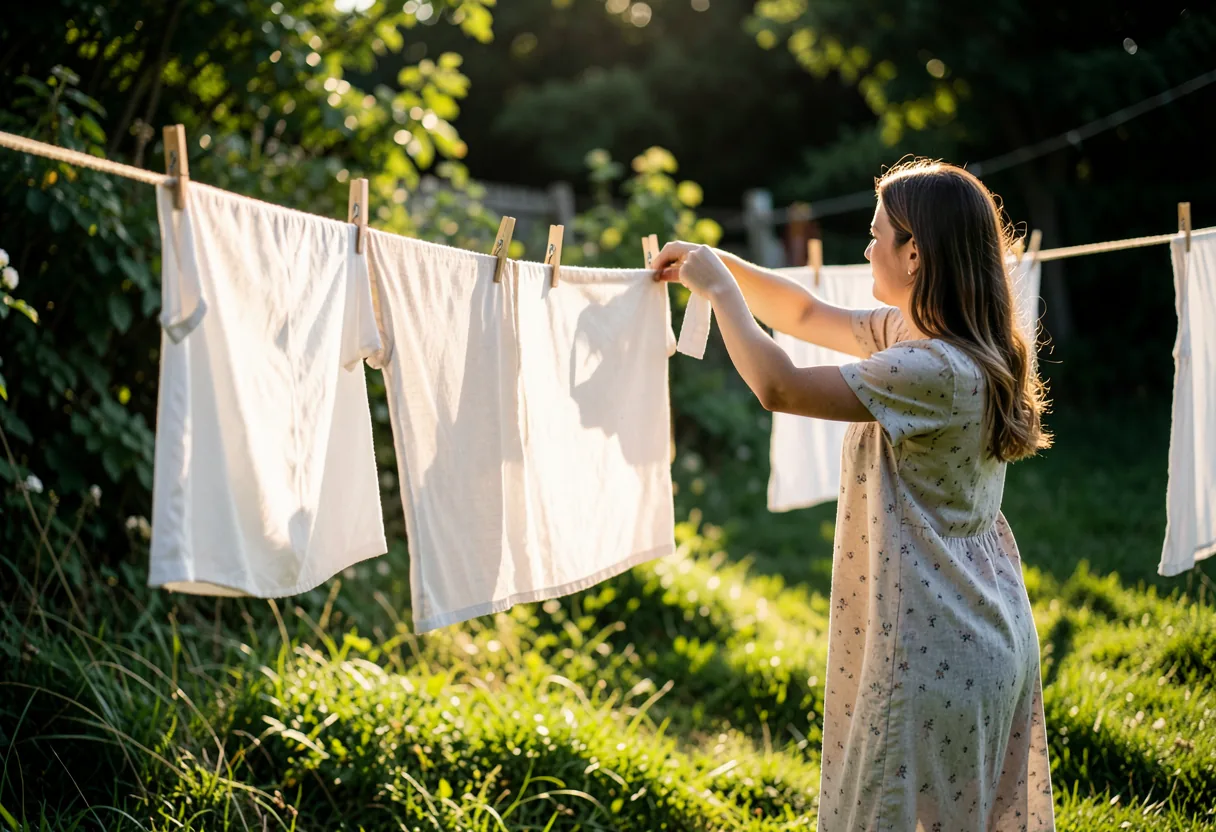
Sustainable living doesn’t require drastic lifestyle overhauls. Begin with easy, low-commitment changes like using reusable grocery bags or opting for digital receipts. These small steps can reduce plastic waste by hundreds of pounds annually per household. Another effortless tip is to line-dry clothes whenever possible, which saves energy and extends the life of your garments.
For those who want a structured approach, the Tips for Sustainable Living to Start Today guide offers a 30-day challenge to build sustainable habits gradually. This method ensures you don’t feel overwhelmed while still making progress.
Minimal effort can also mean making smarter purchases. For instance, buying second-hand clothing not only reduces waste but also supports the circular economy. Thrift stores and platforms like make it easy to find gently used items that fit your style and budget.
What Are the Best Sustainable Living Tips for Reducing Waste?
Reducing waste is a cornerstone of sustainable living. One of the best tips is to adopt the “5 R’s” of zero waste: Refuse, Reduce, Reuse, Recycle, and Rot. For instance, refusing single-use items like straws and cutlery can prevent hundreds of pieces of plastic from entering landfills each year. Reusing containers, such as glass jars for storage, also helps minimize waste.
Composting is another powerful waste-reduction strategy. According to the U.S. Environmental Protection Agency, food scraps and yard waste make up about 30% of what we throw away. A simple countertop compost bin or a backyard compost pile can turn this waste into nutrient-rich soil.
For those looking to take it a step further, the guide provides detailed instructions on how to compost effectively. It also suggests using compostable trash bags, which break down along with the waste, leaving no trace.
How Can Sustainable Living Tips Save You Money?
Many sustainable living tips double as money-saving strategies. For example, using a programmable thermostat can cut heating and cooling costs by up to 15%. Similarly, buying in bulk reduces packaging waste and often lowers the per-unit cost of groceries. Investing in a high-quality reusable water bottle or coffee cup can save hundreds of dollars annually compared to buying disposable versions.
Another money-saving tip is to repair instead of replace. Learning basic sewing skills to mend clothes or fixing appliances instead of tossing them extends their lifespan and saves money in the long run.
The guide offers practical advice on how to save money while living sustainably. It includes tips like planning meals to reduce food waste and using energy-efficient appliances to lower utility bills.
Sustainable Living Tips for Home Energy Efficiency
Sustainable Living Tips for Waste Reduction
What Are the Best Sustainable Living Tips for Beginners?
For beginners, the key to sustainable living is to start small and build momentum. Focus on one or two manageable changes at a time, such as switching to reusable shopping bags or reducing meat consumption. The How to Sustainable Living Without Overwhelming Yourself guide emphasizes starting with habits that fit seamlessly into your routine, so you’re more likely to stick with them.
Another beginner-friendly tip is to use public transportation or carpool whenever possible. According to the American Public Transportation Association, using public transit can reduce a household’s carbon emissions by 4,400 pounds per year. If public transit isn’t an option, consider biking or walking for short trips to further reduce your carbon footprint.
The guide offers a step-by-step approach to adopting sustainable practices. It includes tips like choosing reusable containers for food storage and opting for energy-efficient light bulbs.
How Can Sustainable Living Tips Improve Health?
Sustainable living tips often go hand-in-hand with healthier lifestyle choices. For instance, eating more plant-based meals reduces both your environmental impact and the risk of chronic diseases like heart disease and diabetes. Walking or biking instead of driving improves cardiovascular health while cutting emissions. Even something as simple as using non-toxic cleaning products can reduce exposure to harmful chemicals, improving indoor air quality.
The Practical Tips on Sustainable Living for Every Room guide highlights how sustainable living practices can create a healthier home environment. For example, choosing organic produce reduces exposure to pesticides, while using natural fibers for bedding and clothing can minimize skin irritations.
Research has shown that sustainable living can also improve mental health. A study published in the Journal of the American Medical Association found that people who engage in sustainable practices report lower levels of stress and anxiety. This is likely due to the sense of purpose and control that comes from making positive environmental choices.
What Are Some Advanced Sustainable Living Tips?
Once you’ve mastered the basics, you can explore more advanced sustainable living tips. Installing solar panels can significantly reduce your reliance on fossil fuels, with the average home saving $1,000 annually on electricity bills. Another advanced tip is to grow your own food, even if it’s just a small herb garden on your windowsill. This not only reduces food miles but also ensures you have access to fresh, pesticide-free produce.
For those ready to take a bigger leap, the Essential Sustainable Living Practices for Long-Term Change guide outlines long-term strategies like rainwater harvesting and building with eco-friendly materials. These practices require more effort but offer substantial environmental benefits.
One advanced tip that is gaining popularity is the concept of “tiny houses.” These small, efficient homes use fewer resources and produce less waste. The guide provides detailed information on how to design and build a tiny house, including tips on using sustainable materials and energy-efficient systems.
How Can You Make Sustainable Living a Lifestyle?
Turning sustainable living tips into a lasting lifestyle requires a shift in mindset. Focus on the positive impact of your choices rather than viewing them as sacrifices. Surround yourself with like-minded individuals who share your commitment to sustainability. Join local sustainability groups or online communities to stay motivated and learn new ideas.
Education is also key. Take advantage of resources like the A Beginner’s Guide to Self Sustainable Living guide, which provides in-depth information on self-sufficient living practices. The more you learn, the easier it becomes to integrate sustainability into every aspect of your life.
Set small, achievable goals and celebrate your progress. Whether it’s reducing your plastic use by 50% or cutting your energy bill in half, every step counts. Sustainable living is a journey, and even the smallest changes contribute to a healthier planet.
Start with one or two of these sustainable living tips and gradually expand your efforts. The key is to make sustainability a natural part of your daily routine, so it becomes second nature.
Steps to Make Sustainable Living a Lifestyle
- Educate yourself on sustainable practices and their benefits.
- Start with small, manageable changes like using reusable bags and bottles.
- Join a community of like-minded individuals for support and motivation.
- Set achievable goals and track your progress.
- Gradually incorporate more advanced sustainable practices into your routine.
By following these steps and utilizing the resources available, you can successfully integrate sustainable living tips into your lifestyle and make a positive impact on the environment.
Frequently asked questions
What's the simplest way to reduce household waste?
Start with the '5 Rs': Refuse, Reduce, Reuse, Recycle, Rot. For example, refuse single-use plastics by carrying reusable bags and containers. Reduce paper waste by switching to digital bills. Reuse glass jars for storage. Recycle correctly by checking local guidelines. Compost food scraps to minimize landfill contributions.
How can I make my home more energy-efficient?
Seal air leaks with weatherstripping, especially around windows and doors. Use LED bulbs, which use 75% less energy than incandescent bulbs. Install a programmable thermostat to optimize heating and cooling. Unplug devices when not in use to avoid phantom energy draw. Consider solar panels for long-term savings.
What are some easy sustainable food choices?
Eat more plant-based meals. Animal agriculture contributes significantly to greenhouse gas emissions. Buy local produce to reduce carbon footprint. Choose seasonal fruits and vegetables. Reduce food waste by planning meals and storing food properly. Support sustainable fishing by looking for MSC-certified products.
How can I reduce water usage at home?
Install low-flow showerheads and faucets. Fix leaks promptly; a dripping faucet can waste 3,000 gallons per year. Run full loads in dishwashers and washing machines. Collect rainwater for gardening. Take shorter showers and turn off the tap while brushing teeth. Use a broom instead of a hose to clean driveways.