
Arizona Sustainable Living: Climate-Smart Practices
Editorial Team · on 17 June 2026 · 6 min read · Last reviewed 17 June 2026
Arizona sustainable living means adapting daily choices to the state’s hot, dry climate while minimizing environmental impact.
Think of it like growing a cactus: you don’t plant it in swampy ground and water it daily. Instead, you choose drought-resistant plants, harvest rainwater, and time outdoor work for cooler hours, just like Arizona’s most resilient lifeforms.
Key facts
- Phoenix, Arizona, is one of the fastest-warming cities in the U.S., with average summer temperatures exceeding 100°F.
- Over 30% of Arizona’s electricity comes from renewable sources, primarily solar.
- The state has over 25 certified LEED (Leadership in Energy and Environmental Design) buildings, including the Phoenix Convention Center.
- Xeriscaping, a landscaping method designed to reduce or eliminate the need for irrigation, is widely used in Arizona homes.
What makes Arizona sustainable living unique?
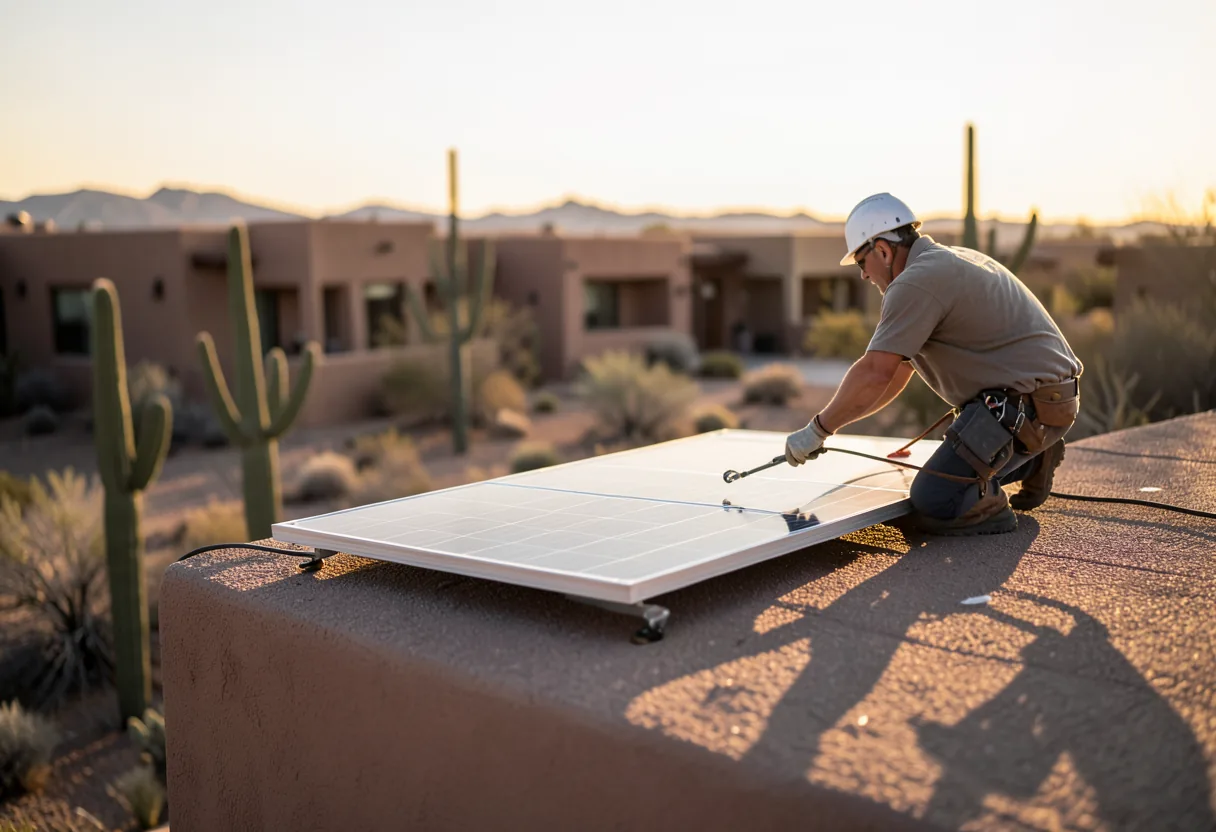
Arizona’s extreme climate forces creative solutions. Unlike humid regions that focus on moisture control, Arizona sustainable living prioritizes heat mitigation and water conservation. For example, many homes use cool-roof coatings to reflect sunlight, reducing indoor temperatures by up to 10°F. The state’s abundant sunshine also makes solar panels a practical necessity rather than an option, over 25% of homes in Flagstaff have rooftop solar installations.
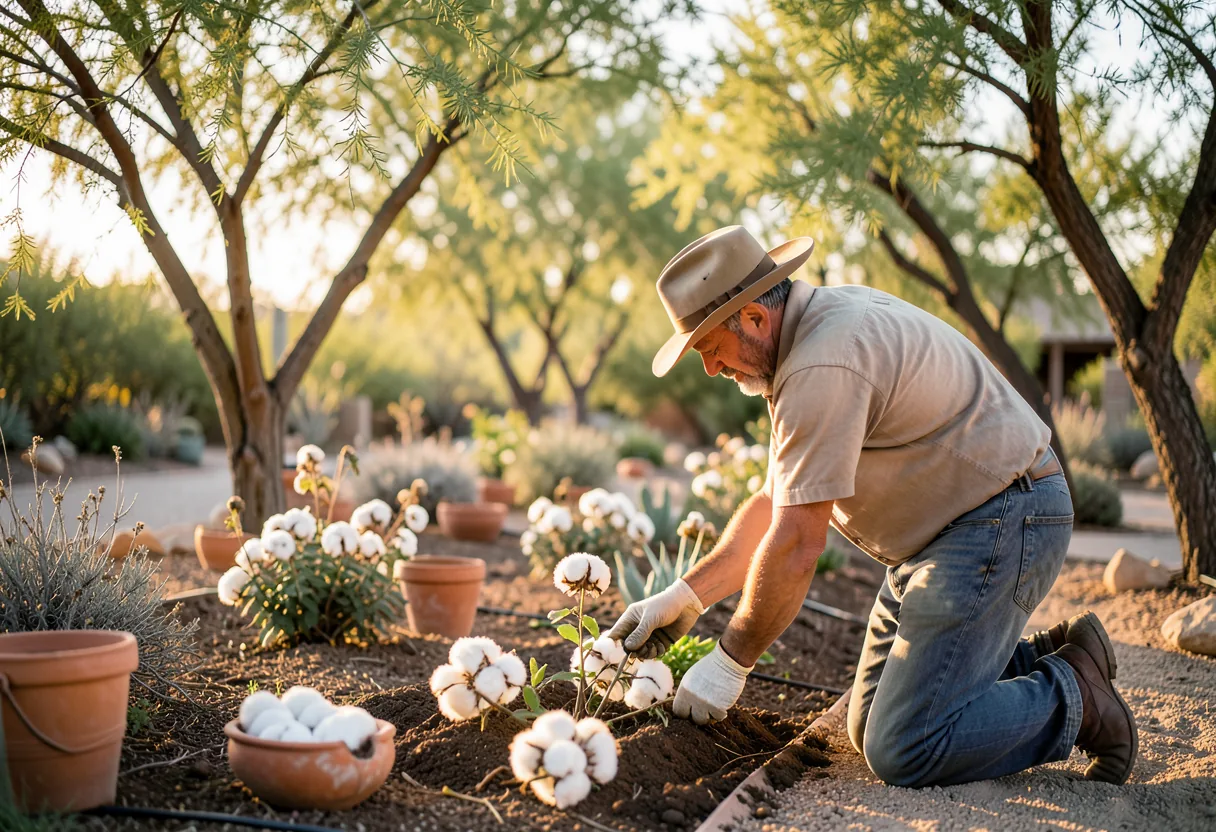
Water scarcity is another defining challenge. Phoenix alone uses about 280,000 acre-feet of water annually, much of it from the Colorado River. Sustainable practices here include greywater recycling systems, which reuse water from sinks and showers for irrigation, and native plant gardens that thrive with minimal water. The Arizona Department of Water Resources even offers rebates for homeowners who replace grass lawns with drought-tolerant landscaping.
How do Arizona sustainable living practices compare to other states?
While states like California focus on reducing wildfire risks and Oregon emphasizes forest conservation, Arizona’s climate-smart strategies are tailored to arid conditions. For example, California’s strict water restrictions during droughts don’t apply in Arizona, where water conservation is a year-round priority. Instead, Arizona pioneers techniques like aquifer recharge, storing excess rainwater underground for later use, a method now adopted in other desert regions globally.
The state also leads in sustainable agriculture adapted to its climate. The University of Arizona’s Controlled Environment Agriculture program grows crops in vertical farms and greenhouses with 90% less water than traditional farming. This contrasts with states like Iowa, where sustainable farming focuses on reducing soil erosion and chemical runoff.
What are the key sustainable living practices in Arizona?
Energy efficiency is non-negotiable. The Arizona Solar Challenge, held annually since 2010, encourages solar-powered home designs. Many homes use evaporative coolers instead of traditional air conditioning, which can reduce energy use by up to 75%. Even public buildings like the Desert Botanical Garden in Phoenix incorporate passive cooling design, with thick walls and shaded courtyards to keep temperatures down naturally.
Water conservation is equally critical. The Central Arizona Project (CAP), a 336-mile canal system, delivers Colorado River water to homes and farms. Sustainable living here means using every drop efficiently, drip irrigation systems are standard, and smart meters track water usage in real time. Some communities, like Sedona, have banned non-functional grass lawns entirely.
How can newcomers adopt Arizona sustainable living?
Start with small, climate-specific changes. Installing low-flow fixtures can cut water use by 60%, and planting native species like saguaros or prickly pear cacti eliminates the need for frequent watering. For energy, consider solar panels, Arizona’s average 299 days of sunshine per year makes them a smart investment, with payback periods as short as 5-7 years.
Join local initiatives like the Arizona Sustainable Water Network, which advocates for policy changes and offers workshops on sustainable living. The Arizona Forward’s “Arizona’s Sustainable Future” program also provides resources for businesses and individuals to adopt eco-friendly practices.
What resources are available for Arizona sustainable living?
The Arizona Sustainability Alliance offers free toolkits for home energy audits and water-saving tips. For hands-on learning, the Visiting a Sustainable Living Center: What to Expect at the University of Arizona provides tours of its living lab, where students test sustainable technologies like solar desalination.
Online platforms like Inspiring Sustainable Living Projects Around the World also highlight successful Arizona projects, such as the Arcosanti experimental town, designed to minimize urban sprawl and maximize energy efficiency. Built in 1970, it remains a model for sustainable urban planning.
For community support, the Arizona chapter of the U.S. Green Building Council connects residents with certified sustainable living builders (see What to Look for in Sustainable Living Builders) and hosts events like the annual Green Gala, showcasing sustainable innovations.
What are the financial benefits of Arizona sustainable living?
Sustainable upgrades often pay for themselves quickly. Solar panel installations in Arizona can save homeowners up to $2,000 annually on electricity bills, with federal tax credits covering 30% of the cost. Water-saving devices like high-efficiency toilets and showerheads reduce bills by 20-30%.
Property values also benefit. Homes with LEED certification or solar panels sell for 4-9% more in Arizona, according to a 2023 study by the Arizona State University W. P. Carey School of Business. Even small changes, like replacing a traditional lawn with xeriscaping, can boost curb appeal and resale value.
How can schools and businesses adopt Arizona sustainable living?
Schools like the Academy of Urban Leadership in Phoenix have installed solar panels and rainwater harvesting systems, cutting energy costs by 40%. The Arizona Commerce Authority offers grants to businesses that adopt sustainable practices, such as waste reduction or renewable energy use.
For inspiration, look at the Arizona State University Polytechnic campus, which runs entirely on renewable energy and has achieved zero-waste status. Businesses can follow its lead by implementing recycling programs, switching to LED lighting, and using local, sustainable materials in construction.
What challenges does Arizona sustainable living face?
High upfront costs and limited awareness remain barriers. While solar panels are affordable long-term, the initial investment can deter some homeowners. Additionally, Arizona’s rapid population growth strains water resources, making conservation even more critical. The state’s 2023 drought contingency plan highlights the need for long-term solutions like desalination and recycled water use.
Policy hurdles also exist. Despite progress, Arizona lags behind states like California in enforcing strict sustainability regulations. Advocacy groups like the Arizona Sierra Club push for stronger policies, such as mandating solar panels on new buildings or banning single-use plastics.
How does Arizona sustainable living contribute to global efforts?
Arizona’s innovations in arid-region sustainability provide models for other desert climates worldwide. The state’s solar technology research, conducted at institutions like the Arizona State University Lightworks, has influenced projects in the Middle East and Africa. Similarly, its water conservation techniques are being adopted in regions like Australia and South Africa.
For example, the Inspiring Sustainable Living Projects Around the World at Biosphere 2, a research facility near Tucson, studies closed ecological systems. Its findings have shaped sustainable architecture in extreme environments, from Antarctica to the Sahara. The Arizona-based Salt River Project (SRP) also collaborates internationally on renewable energy projects, sharing its expertise in solar and wind power.
What are the next steps for Arizona sustainable living?
Expanding policy support and public education is key. Programs like the Arizona Department of Environmental Quality’s “Clean & Beautiful” campaign promote sustainability at the community level. Additionally, integrating more sustainable infrastructure, such as bike lanes and public transit, can reduce carbon footprints.
For individuals, the next step is simple: start small. Replace one water-intensive plant with a native species, switch to a smart thermostat, or join a local sustainability group. Every action adds up, just like the cactus that thrives in the desert, Arizona’s sustainable living practices prove that resilience begins with small, smart choices.
Frequently asked questions
What makes Arizona's climate particularly challenging for sustainable living?
Arizona's extreme heat, with Phoenix averaging 108 days per year above 100°F, and scarce rainfall—just 12 inches annually in Phoenix—demands water-efficient practices. Native plants like the saguaro cactus thrive with minimal water, and shade structures reduce energy use. These adaptations are essential for climate-smart living.
How can residents reduce water usage without sacrificing their gardens?
Drip irrigation systems, used by over 70% of Arizona's agricultural land, deliver water directly to plant roots, cutting waste. Native plants like the desert marigold require 75% less water than typical lawns. Collecting rainwater in barrels also helps, though Arizona's low rainfall limits this method's effectiveness.
What are some energy-efficient cooling strategies for Arizona homes?
Reflective roof coatings, like those used in Tucson's Solar Zone, can reduce indoor temperatures by up to 10°F. Passive cooling designs, such as cross-ventilation and thermal mass materials, minimize air conditioning use. Energy-efficient windows with low-emissivity coatings also block heat, lowering energy bills.
How does composting help with sustainable living in Arizona's arid climate?
Composting organic waste reduces landfill contributions and produces nutrient-rich soil amendments. In Arizona, composting diverts about 20% of waste from landfills. Techniques like vermicomposting, using worms to break down waste, are effective even in dry conditions, improving soil health for drought-resistant gardening.