
Visiting a Sustainable Living Center: What to Expect
Editorial Team · on 17 June 2026 · 8 min read · Last reviewed 17 June 2026
A sustainable living center is a physical location dedicated to demonstrating and educating visitors about eco-friendly practices, renewable energy, and sustainable design in action.
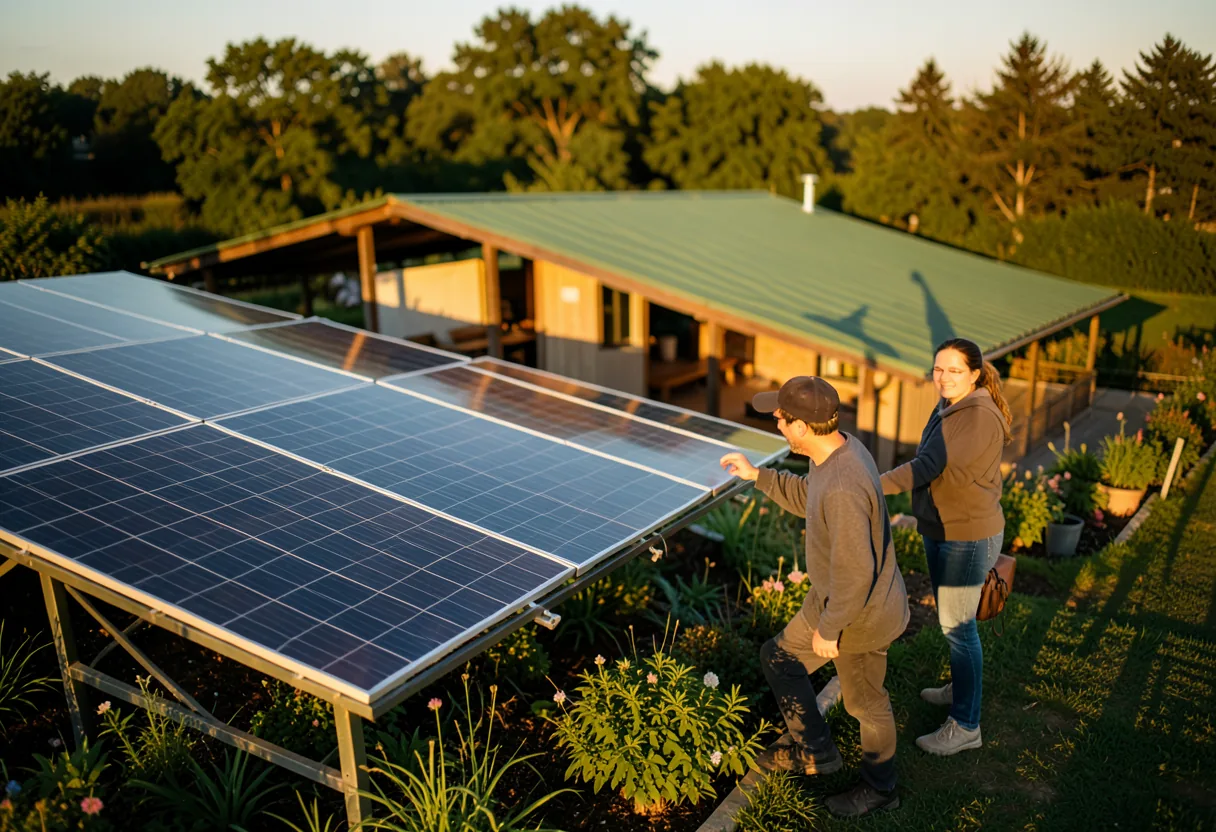
Think of it like a living textbook where you can walk through pages of solar panels, rainwater harvesting systems, and organic gardens instead of reading about them.
Key facts
- These centers often showcase off-grid homes, permaculture farms, and community-driven eco-projects.
- Many offer hands-on workshops, guided tours, and educational programs for all ages.
- Some centers provide overnight stays in eco-friendly accommodations like straw bale houses or tiny homes.
- They frequently partner with local schools, businesses, and nonprofits to promote sustainability.
What is a Sustainable Living Center?
Sustainable living centers are more than just educational facilities; they are vibrant hubs of innovation where sustainability is practiced and perfected. These centers often feature a mix of permanent installations and temporary exhibits designed to inspire visitors to adopt greener lifestyles. For instance, the Inspiring Sustainable Living Projects Around the World at the Center for Sustainable Energy in San Diego includes a solar-powered pavilion that generates enough electricity to power the entire facility and more, using 276 photovoltaic panels that produce approximately 105,000 kWh annually.
The first time I really looked at a sustainable living center, I was struck by how seamlessly technology and nature coexisted. The buildings were not just energy-efficient but also aesthetically pleasing, blending into the landscape with materials like reclaimed wood and recycled steel. These centers often include features such as green roofs, which reduce energy costs by up to 30% and manage stormwater runoff, and living walls, which improve air quality by filtering pollutants and provide insulation, reducing heating and cooling costs by up to 15%. The at the Chicago City Hall, for example, has saved the city over $3,600 annually in energy costs and manages about 75% of the rainwater that falls on the roof.
What to Expect When Visiting a Sustainable Living Center
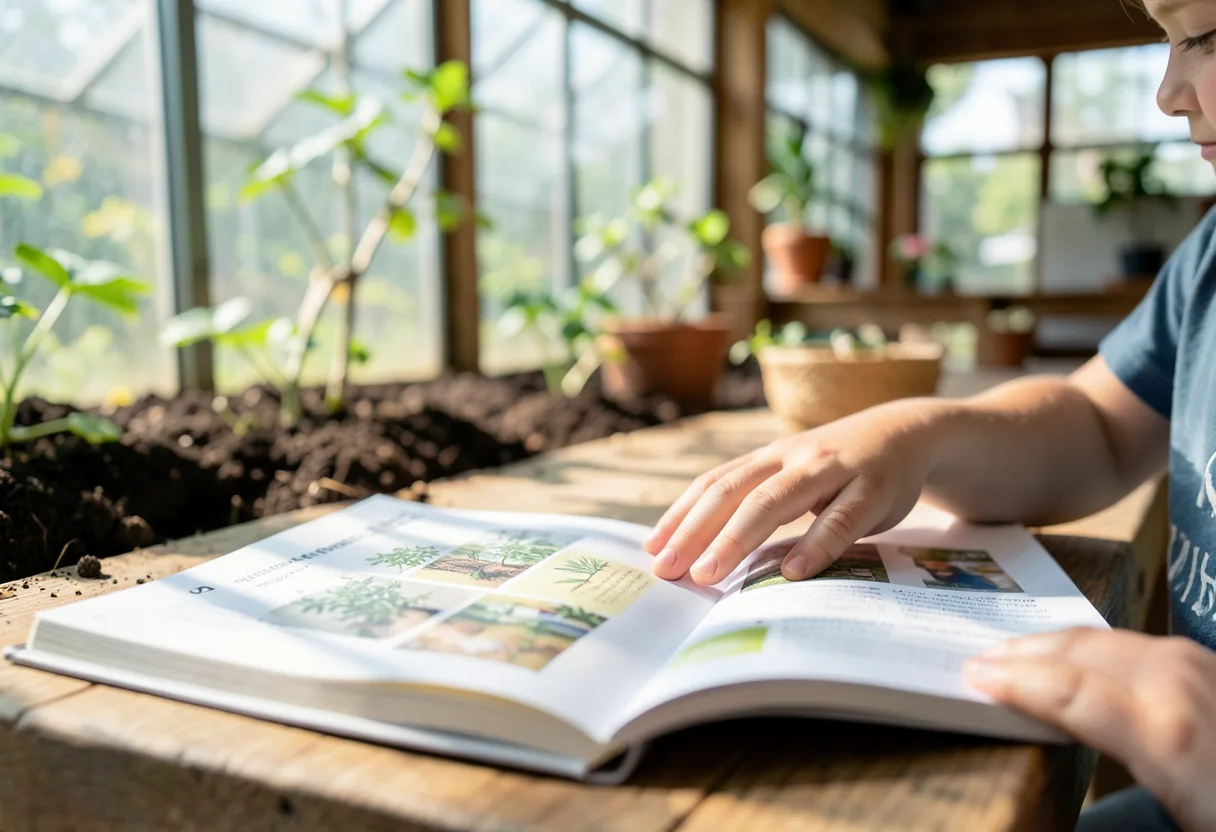
When you visit a sustainable living center, you can expect a variety of experiences tailored to different interests and age groups. Many centers offer guided tours that take you through their facilities, explaining the science and technology behind their sustainable practices. For example, the EcoHouse at the University of California, Davis, provides tours that highlight its energy-efficient design, water conservation systems, and sustainable landscaping, with a focus on the use of drought-resistant native plants that reduce water usage by up to 80% compared to traditional landscaping.
Interactive exhibits are another common feature, allowing visitors to engage directly with the technology. At the Bullitt Center in Seattle, often referred to as the “greenest commercial building in the world,” visitors can see firsthand how a six-story office building can operate using only the energy it generates on-site. The center’s living laboratory approach means that visitors can witness real-time data on energy use, water consumption, and indoor air quality. The Bullitt Center’s [[https://en.wikipedia.org/wiki/Bullitt_Center]{Net Zero Energy Building}] certification ensures that it produces as much energy as it consumes, with a 244 kW solar array that generates approximately 230,000 kWh annually.
Workshops and Educational Programs
One of the standout features of sustainable living centers is their commitment to education through workshops and programs. These sessions cover a wide range of topics, from basic gardening techniques to advanced renewable energy systems. For instance, the How to Find the Right Sustainable Living Communities at the Earthship Biotecture in New Mexico offers workshops on building with natural and recycled materials, teaching participants how to construct their own off-grid homes using tires, bottles, and cans as building materials, a technique pioneered by architect Michael Reynolds in the 1970s.
Many centers also provide certification programs for those looking to deepen their knowledge. The Green Building Certification Institute, for example, offers courses that can lead to certifications in sustainable design and construction. These programs are particularly valuable for professionals in the building industry who want to stay ahead of the curve in sustainable practices. The LEED (Leadership in Energy and Environmental Design) certification, for instance, is recognized globally and covers various aspects of green building, including energy efficiency, water conservation, and sustainable materials.
Community Involvement and Events
Sustainable living centers are not just educational facilities; they are also community hubs that host a variety of events throughout the year. These events can include farmers’ markets, eco-fairs, and sustainability conferences. For example, the Joining the Sustainable Living Association: Benefits & Resources hosts an annual conference that brings together experts, practitioners, and enthusiasts to share ideas and innovations in sustainable living. The 2023 conference featured keynote speakers like Bill McKibben, a renowned environmentalist and co-founder of 350.org, who discussed the importance of community action in combating climate change.
Community involvement is a key aspect of these centers, as they often collaborate with local schools, businesses, and nonprofits to promote sustainability. This collaboration can take many forms, from joint projects to shared resources. The Arizona Sustainable Living: Climate-Smart Practices Center, for instance, partners with local schools to provide educational programs and hands-on learning experiences for students. The center’s partnership with the Phoenix Union High School District has resulted in the implementation of solar panels in several schools, reducing their carbon footprint and providing hands-on learning opportunities for students.
Accommodations and Overnight Stays
Some sustainable living centers offer overnight stays, allowing visitors to fully immerse themselves in the sustainable lifestyle. These accommodations often include eco-friendly features like solar panels, composting toilets, and rainwater harvesting systems. For example, the Kentucky Sustainable Living: Rural Eco-Initiatives Center offers stays in tiny homes that are powered entirely by renewable energy. The tiny homes at the Kentucky Sustainable Living Center are equipped with composting toilets that convert waste into nutrient-rich compost, reducing water usage by up to 90% compared to traditional toilets.
Staying overnight at a sustainable living center can be a transformative experience. It provides a unique opportunity to see how sustainable practices can be integrated into daily life. Many centers also offer guided activities during the stay, such as nature walks, cooking classes using locally sourced ingredients, and workshops on sustainable living skills. The Center for Sustainable Energy in San Diego, for example, offers a “Sustainable Living Retreat” that includes a guided tour of the center’s facilities, a cooking class using ingredients from the on-site organic garden, and a workshop on composting and vermiculture.
How to Choose the Right Sustainable Living Center
Choosing the right sustainable living center depends on your interests and goals. If you are looking for hands-on learning experiences, centers like the Earthship Biotecture offer workshops and training programs. If you are more interested in touring innovative facilities, the Bullitt Center in Seattle is an excellent choice. For those who want to combine education with a getaway, the Arizona Sustainable Living: Climate-Smart Practices Center offers overnight stays in eco-friendly accommodations. The center’s “Eco-Retreat” packages include a guided tour of the center’s facilities, a cooking class using locally sourced ingredients, and a workshop on sustainable living skills.
Researching the specific features and programs of each center can help you make an informed decision. Many centers have websites that provide detailed information about their facilities, workshops, and events. Visiting review sites and forums can also give you insights from other visitors’ experiences. For example, the is a popular online community where visitors share their experiences and recommendations for sustainable living centers. The forum’s searchable database allows users to filter reviews by location, type of center, and specific features, making it easier to find the right center for your needs.
Funding and Support for Sustainable Living Centers
Sustainable living centers often rely on a mix of funding sources, including government grants, private donations, and partnerships with businesses and nonprofits. For example, the Bullitt Center in Seattle was funded in part by a $10 million grant from the Bullitt Foundation, a private family foundation dedicated to promoting sustainable communities. The center also partners with local businesses and nonprofits to fund its educational programs and community initiatives.
Many centers also offer membership programs that provide funding and support. For example, the Center for Sustainable Energy in San Diego offers a membership program that includes free admission to the center’s facilities, discounts on workshops and events, and access to a members-only online community. Membership fees vary depending on the level of support, with options ranging from $50 for an individual membership to $1,000 for a corporate sponsorship.
Government grants and tax incentives can also provide funding for sustainable living centers. For example, the U.S. Department of Energy’s [[https://en.wikipedia.org/wiki/Building_Technologies_Office}{Building Technologies Office}] offers grants and technical assistance to support the development of energy-efficient buildings and communities. The office’s “Better Buildings Initiative” provides funding and resources to help communities and organizations implement energy-efficient practices and technologies.
Takeaway: Visiting a sustainable living center is an enriching experience that offers education, inspiration, and practical knowledge about sustainable living. Whether you are a student, a professional, or simply someone interested in eco-friendly practices, these centers provide a unique opportunity to learn and engage with sustainability in action.
- Research the specific features and programs of each center.
- Consider your interests and goals when choosing a center.
- Visit review sites and forums for insights from other visitors’ experiences.
- Plan your visit around workshops, events, or overnight stays if available.
Frequently asked questions
What activities can visitors participate in at a Sustainable Living Center?
Visitors can join workshops on composting, rainwater harvesting, or solar panel installation. Some centers, like the Center for Sustainable Energy in San Diego, offer hands-on demonstrations of energy-efficient appliances. You might even tour a model green home built to LEED Platinum standards.
Are there any age restrictions for visiting a Sustainable Living Center?
Most centers welcome all ages. The Sustainability Institute at Unity College in Maine, for instance, tailors activities for children, teens, and adults. Kids can participate in eco-art projects, while adults might engage in policy discussions or permaculture design courses.
How much time should one allocate for a visit to a Sustainable Living Center?
Plan for at least half a day. The Bullitt Center in Seattle offers guided tours lasting 90 minutes, covering its net-zero energy systems. If attending workshops or lectures, allocate a full day, especially during events like Earth Day celebrations.
What should visitors bring when visiting a Sustainable Living Center?
Bring reusable water bottles and containers; many centers, like the Earthship Biotecture in New Mexico, prohibit single-use plastics. Wear comfortable shoes for walking tours and check the weather—some centers have outdoor exhibits. A notebook is handy for jotting down ideas from workshops.