
Inspiring Sustainable Living Projects Around the World
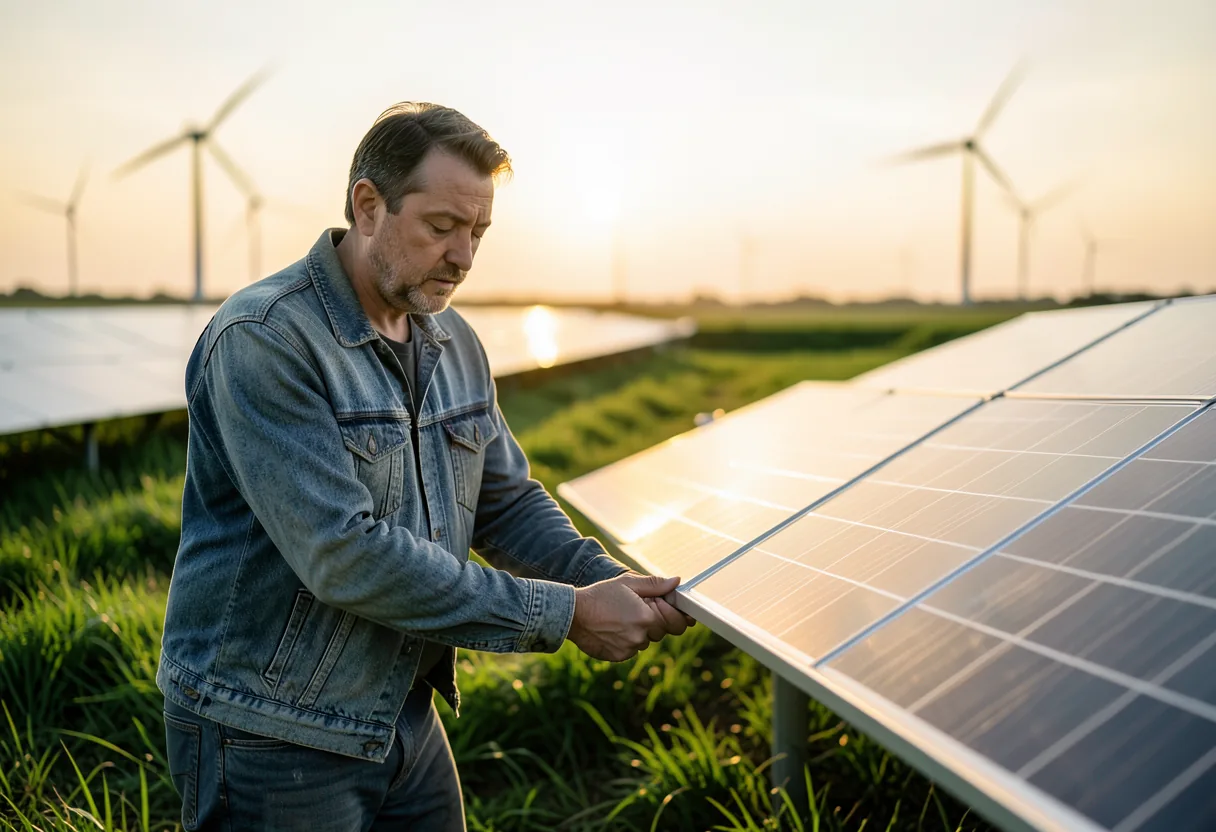
Editorial Team · on 17 June 2026 · 6 min read · Last reviewed 17 June 2026
Sustainable living projects are practical initiatives that reduce environmental impact while maintaining or improving quality of life.
Think of sustainable living projects as a chef’s recipe book where every dish is a balance of taste, nutrition, and minimal waste, except here, the ingredients are energy, water, and materials, and the meals are homes, communities, and lifestyles designed to thrive without trashing the planet.
Key facts
- Sustainable living projects often slash energy use by 30-60% through passive design and renewable energy.
- Cities like Copenhagen aim to be carbon-neutral by 2025, with projects like the Visiting a Sustainable Living Center: What to Expect leading the way.
- Tiny homes and Earthships are popular project types, with some achieving zero-energy status.
- Governments and NGOs fund many projects, such as the U.S. Department of Energy’s Net Zero Energy Homes program.
What defines sustainable living projects?
At their core, sustainable living projects integrate three pillars: environmental stewardship, economic viability, and social equity. Take the BedZED project in London, for example: its design reduced energy demand by 80% compared to typical UK homes, using a combination of super-insulation, passive solar heating, and a district-wide combined heat and power plant. The project also mandated that developers provide affordable housing options, ensuring social inclusivity.
Another defining feature is the use of renewable materials. The Earthship community in New Mexico, USA, builds homes from recycled tires, glass bottles, and aluminum cans, demonstrating how waste can become structural assets. These materials aren’t just eco-friendly; they also create unique aesthetic and thermal benefits, like the thermal mass of tire walls that regulate indoor temperatures.
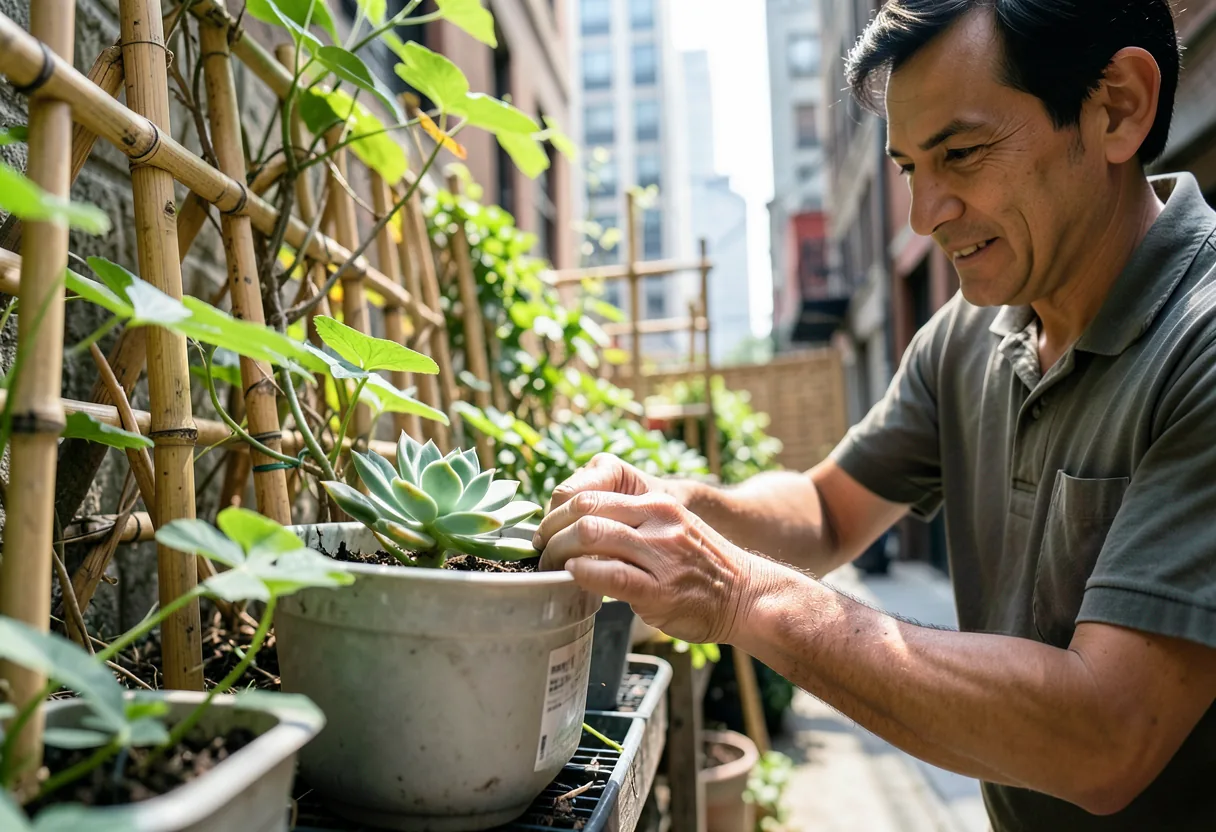
How do sustainable living projects reduce environmental impact?
Most projects focus on energy efficiency and waste reduction. For instance, the Visiting a Sustainable Living Center: What to Expect in Findhorn, Scotland, uses wind turbines and solar panels to generate 100% of its electricity, while composting toilets and rainwater harvesting minimize water waste. The center also grows 30% of its food on-site, cutting transportation emissions.
On a larger scale, the Vauban district in Freiburg, Germany, mandates that all buildings meet passive house standards. This means they use 90% less heating energy than conventional homes. The district’s car-free design further reduces emissions, with 70% of residents walking or biking daily. These projects prove that systemic changes, not just individual actions, drive real impact.
What are the most inspiring sustainable living projects globally?
The Hammarby Sjöstad district in Stockholm, Sweden, is a masterclass in urban sustainability. It recycles 50% of its waste, uses geothermal heating, and generates 100% renewable electricity. The project’s “eco-cycle” system treats wastewater locally, converting it into biogas for buses and district heating.
In rural settings, the Dancing Rabbit Eco-Village in Missouri, USA, showcases off-grid living. Residents grow 15% of their own food, and the village’s buildings are constructed from straw bale and cob, with solar panels providing electricity. The community’s commitment to sustainability is so strong that new members must complete a year-long sustainability training program before moving in.
How can you get involved in sustainable living projects?
What challenges do sustainable living projects face?
One major hurdle is funding. Projects like the Earthship community often rely on grants and private investors, as traditional banks are wary of financing unconventional designs. The first time I really looked at Earthships, I was struck by how much they rely on upfront innovation, something that doesn’t always fit into standard loan models.
Regulatory barriers also slow progress. Many sustainable building techniques, like composting toilets or rainwater harvesting, aren’t legal everywhere. The Dancing Rabbit Eco-Village had to negotiate special zoning permits to operate legally. Advocacy groups like the Joining the Sustainable Living Association: Benefits & Resources work to change these policies, but progress is slow.
Another challenge is scaling up. While small projects like tiny homes and eco-villages prove sustainability is possible, replicating these models in dense urban areas requires significant infrastructure changes. The [Copenhagen 2025 Climate Plan](https://en.wikipedia.org/wiki/Copenhagen_2025_Climate_Plan) aims to address this by integrating green solutions into city planning, but such initiatives require long-term political will and public support.
What are the key technologies driving sustainable living projects?
Renewable energy technologies are at the heart of many sustainable living projects. Solar photovoltaic (PV) panels, for example, convert sunlight into electricity with increasing efficiency. The Findhorn Ecovillage in Scotland uses high-efficiency solar panels that generate up to 300 watts per panel, enough to power homes and shared facilities. Similarly, wind turbines, like those used in the [Hammarby Sjöstad district](https://en.wikipedia.org/wiki/Hammarby_Sjöstad), provide a steady source of renewable energy.
Water management technologies also play a crucial role. Rainwater harvesting systems, such as those used in the BedZED project, collect and store rainwater for non-potable uses, reducing the demand for treated water. Composting toilets, which convert waste into compost, are another key technology. The Earthship community in New Mexico uses these toilets to minimize water use and create nutrient-rich soil for gardens.
Smart home technologies are increasingly being integrated into sustainable living projects. Systems that monitor energy use, control heating and cooling, and manage water consumption help residents reduce their environmental footprint. For example, the Vauban district in Freiburg uses smart meters to track energy use in real time, allowing residents to adjust their habits accordingly.
How do sustainable living projects benefit communities?
What are the first steps to starting your own sustainable living project?
- Assess your goals: Are you focusing on energy, waste, or community?
- Research local regulations: Check zoning laws and building codes.
- Find partners: Collaborate with architects, engineers, or local groups.
- Secure funding: Look into grants, crowdfunding, or green loans.
- Start small: Pilot a garden, solar panel, or compost system before scaling up.
If you’re unsure where to begin, consider visiting a Visiting a Sustainable Living Center: What to Expect or joining a Joining the Sustainable Living Association: Benefits & Resources to learn from established projects. The key is to take action, whether it’s reducing waste, building greener, or advocating for policy changes, every step counts.
Frequently asked questions
What makes the BedZED project in London a standout example of sustainable living?
BedZED, completed in 2002, is a pioneering eco-village in London that houses 100 households. It generates half its energy from a combined heat and power plant, recycles 55% of its waste, and uses a heat recovery system to reduce energy use by 90%. Its design minimizes car dependency, with 55% of residents walking or cycling to work.
How does the Vauban district in Freiburg, Germany promote sustainable urban living?
Vauban, developed in the 1990s, is a car-free district where 50% of residents commute by bicycle. It features passive houses that use 70% less energy than conventional buildings. The district also prioritizes green spaces, with parks and community gardens covering 10% of its area.
What unique approach does the Curitiba Master Plan in Brazil take towards sustainability?
Since its launch in 1968, Curitiba's Master Plan has integrated urban planning with environmental conservation. The city's bus rapid transit system, implemented in 1974, reduces carbon emissions by 20%. Curitiba also recycles 70% of its waste through innovative programs like the Green Exchanges, where citizens trade recyclables for food.
How does the village of Samso, Denmark achieve 100% renewable energy?
Samso, a small island, became energy self-sufficient by 2005. It generates electricity from 11 wind turbines and meets heating needs through solar panels and biomass boilers. The village's cooperative model engages all residents in energy production and conservation, reducing energy consumption by 25%.