
Tips for Sustainable Living to Start Today
Editorial Team · on 17 June 2026 · 7 min read · Last reviewed 17 June 2026
Tips for sustainable living are practical strategies designed to minimize environmental impact while maintaining a high quality of life.
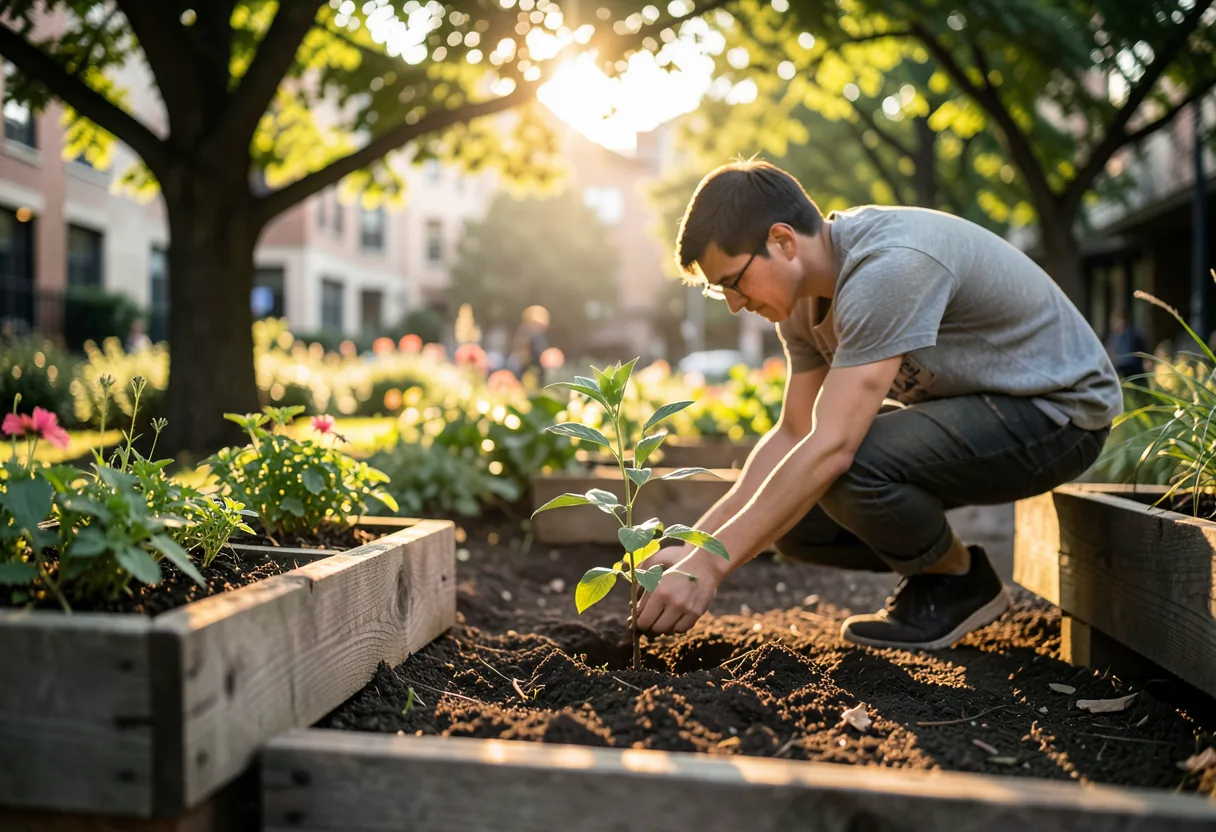
Think of sustainable living as a garden. You wouldn’t plant a tree and expect it to thrive without water, sunlight, and care. Similarly, sustainable living requires consistent, mindful actions, like composting food waste or using energy-efficient appliances, to nurture a healthier planet.
Key facts
- Sustainable living reduces carbon footprints by an average of 30% through simple lifestyle adjustments.
- The average person generates about 4.51 pounds of waste daily, but composting and recycling can cut this significantly.
- Switching to LED lighting can reduce energy use by up to 80% compared to traditional incandescent bulbs.
- Meat production accounts for nearly 15% of global greenhouse gas emissions, making plant-based diets a key sustainability tactic.
What exactly are tips for sustainable living?
Tips for sustainable living are actionable steps to reduce waste, conserve resources, and lower your carbon footprint. They range from small changes, like using reusable shopping bags, to larger commitments, such as installing solar panels. The goal is to create habits that are both practical and beneficial for the environment.
For example, the average American uses about 80 gallons of water per day, but installing low-flow showerheads can cut this by up to 40%. Small tweaks like this add up. The first time I really looked at my water bill, I was shocked to see how much I could save just by turning off the tap while brushing my teeth, a simple tip that many overlook.
Sustainable living isn’t about perfection; it’s about progress. Even small actions, like unplugging devices when not in use, can save energy and reduce your utility bills. Over time, these habits become second nature, creating a ripple effect that extends beyond your household.

How can I start with simple tips for sustainable living?
Start by auditing your daily routines. Identify areas where waste is most prevalent, like single-use plastics or excessive energy use, and replace them with sustainable alternatives. For instance, swap disposable water bottles for a reusable one, or switch to a bamboo toothbrush to reduce plastic waste.
Another easy win is meal planning. Food waste contributes significantly to landfills, but planning meals reduces the likelihood of unused ingredients spoiling. The Environmental Protection Agency reports that Americans waste about 133 billion pounds of food annually, learning to compost scraps can turn this waste into nutrient-rich soil.
For beginners, I recommend starting with Top Sustainable Living Tips for Beginners to avoid feeling overwhelmed. Small, manageable changes are more likely to stick than drastic overhauls. Over time, you can gradually adopt more sustainable practices, like growing your own herbs or switching to renewable energy sources.
Which sustainable living tips have the biggest impact?
Some tips yield outsized benefits. For example, reducing meat consumption, even just one meatless day per week, can lower your carbon footprint significantly. Animal agriculture is responsible for about 14.5% of global greenhouse gas emissions, so cutting back on meat is one of the most impactful changes you can make.
Energy efficiency is another high-impact area. Replacing old appliances with Energy Star-rated models can cut electricity use by up to 30%. For instance, a front-loading washing machine uses about 40% less water than a top-loader. Pair this with air-drying clothes whenever possible to save even more energy.
The A Beginner’s Guide to Self Sustainable Living approach also emphasizes growing your own food. Even a small backyard garden can reduce your reliance on store-bought produce, which often travels hundreds of miles before reaching your plate. Herbs, leafy greens, and tomatoes are easy to grow and can make a noticeable difference in your carbon footprint.
How can I make sustainable living a long-term habit?
Consistency is key. Start with a few manageable tips and build from there. The Essential Sustainable Living Practices for Long-Term Change guide emphasizes that long-term change comes from habit formation, not overnight transformations. For example, committing to recycling every week or bringing reusable bags to the grocery store can become automatic over time.
Another strategy is to track your progress. Apps like or help monitor energy use, waste reduction, and sustainable swaps. Seeing tangible results can motivate you to keep going. The first time I tracked my household’s energy use, I was surprised to see how much I could save by adjusting my thermostat by just a few degrees.
Finally, connect with like-minded communities. Joining local sustainability groups or online forums can provide support and fresh ideas. Sharing tips with others makes the journey more enjoyable and keeps you accountable.
What are some common myths about sustainable living?
One myth is that sustainable living is expensive. In reality, many eco-friendly practices, like composting or using cloth bags, save money in the long run. For example, buying a reusable water bottle costs less over time than continually purchasing disposable ones.
Another misconception is that sustainable living requires drastic lifestyle changes. Small, incremental steps, like switching to LED bulbs or using a programmable thermostat, can make a big difference without upending your routine.
Some people also believe that individual actions don’t matter. However, collective impact is powerful. When millions of people make small changes, the cumulative effect is significant. For instance, if every household in the U.S. used one less plastic bag per year, we’d prevent nearly 1 billion bags from entering landfills annually.
How can I involve my family in sustainable living?
Make it a team effort. Start by explaining the benefits of sustainable living in a way that resonates with each family member. For kids, focus on the fun aspects, like gardening or crafting with recycled materials. For adults, highlight the cost savings and health benefits, such as eating more whole foods.
Create a family challenge, like a “no plastic” week or a competition to see who can reduce their water usage the most. Turn it into a game with small rewards for achieving sustainability goals. The key is to make it engaging and inclusive.
Set an example by integrating sustainable practices into daily routines. For example, involve your kids in meal planning or have them help sort recycling. When sustainable living becomes a shared value, it’s easier to maintain long-term.
What resources are available for learning more about sustainable living?
The internet is full of guides and tools to help you get started. Websites like offer detailed advice on recycling, energy efficiency, and eco-friendly products. YouTube channels like provide practical tips and DIY projects for sustainable living.
For hands-on learning, consider taking a course. The platform offers from top universities, covering everything from climate change to renewable energy. These courses can deepen your understanding and provide actionable strategies.
Local resources are also valuable. Many cities have sustainability programs or workshops on composting, urban gardening, and energy conservation. Check your city’s website for events or community initiatives you can join.
How can I measure the success of my sustainable living efforts?
Track your progress with clear metrics. For example, compare your electricity bills before and after switching to energy-efficient appliances. Note the reduction in water usage after installing low-flow fixtures. These tangible results will show you the impact of your efforts.
Use apps or journals to log your sustainable actions. Note when you start composting, how much less trash you produce, or the reduction in your carbon footprint. Seeing these changes over time can be incredibly motivating.
Finally, celebrate your milestones. Whether it’s a month of meatless Mondays or a year of zero waste, acknowledge your achievements. Sharing your progress with friends or family can also inspire others to join the movement.
To start, pick one area, like reducing plastic use or conserving water, and focus on small, consistent changes. Over time, these habits will become second nature, making sustainable living an effortless part of your daily routine.
Sustainable living tips comparison table
Steps to start sustainable living today
- Assess your current habits and identify areas for improvement.
- Choose one or two easy tips to start, like using reusable bags or turning off lights when not in use.
- Set small, achievable goals and track your progress.
- Gradually incorporate more sustainable practices as you become comfortable.
- Join a community or find resources to stay motivated and informed.
Sustainable living tips by category
Start with one or two tips and build from there. Over time, these small changes will add up to a significant positive impact on the environment.
Frequently asked questions
What’s the simplest way to reduce household waste immediately?
Start by carrying reusable bags everywhere. The average person uses 500 plastic bags annually. Swap disposable water bottles for a reusable one, like a 32-ounce stainless steel bottle. Compost food scraps—30% of household waste is organic, and composting cuts landfill contributions. Avoid single-use items like straws and cutlery.
How can I make my home energy-efficient without expensive renovations?
Switch to LED bulbs; they use 75% less energy than incandescent bulbs. Unplug devices when not in use—phantom power drains 5-10% of residential energy. Use a programmable thermostat to regulate heating and cooling. Install window insulation film in winter to reduce heat loss. These steps cut energy bills by 10-15%.
What are the best sustainable food choices for daily meals?
Prioritize plant-based meals. Livestock farming contributes 14.5% of global greenhouse gas emissions. Buy local and seasonal produce to reduce carbon footprint. Choose fair-trade, organic, and non-GMO products. Reduce meat consumption to once a week. Use reusable containers for leftovers and avoid pre-packaged foods.
How can I reduce water usage effectively?
Fix leaky faucets—10,000 gallons of water are wasted annually in U.S. households due to leaks. Install low-flow showerheads to save 2,700 gallons of water per year. Collect rainwater for plants. Run full loads in dishwashers and washing machines. Turn off the tap while brushing teeth—saves 4 gallons of water per minute.